Food News
The Biggest Food Stories on Eater NY in 2025
From a 'Top Chef' winner closing a restaurant to Jamaican patties taking over the city, here are the stories that defined New York dining this year.

DigiSavvy
Description goes here

New York City’s food scene in 2025 has been nothing short of extraordinary. From acclaimed chefs closing unexpected restaurants to international chains finally making their American debut, the stories that captured our readers’ attention this year paint a vivid picture of a city constantly reinventing its culinary identity. We’ve compiled the most significant food stories that shaped how New Yorkers ate, drank, and thought about dining this year.
The restaurant industry continues to face unprecedented challenges while simultaneously experiencing a renaissance of creativity and community-focused dining. This year saw the rise of neighborhood gems, the fall of overextended empires, and everything in between. Here are the stories that defined New York’s food landscape in 2025.
The Rise of Neighborhood Dining
Perhaps the most significant shift we’ve witnessed this year is the return to neighborhood-centric dining. After years of destination restaurants dominating the conversation, New Yorkers have rediscovered the joy of walking to their local spot. This movement isn’t just about convenience—it’s about community building and sustainable business practices that benefit everyone involved.
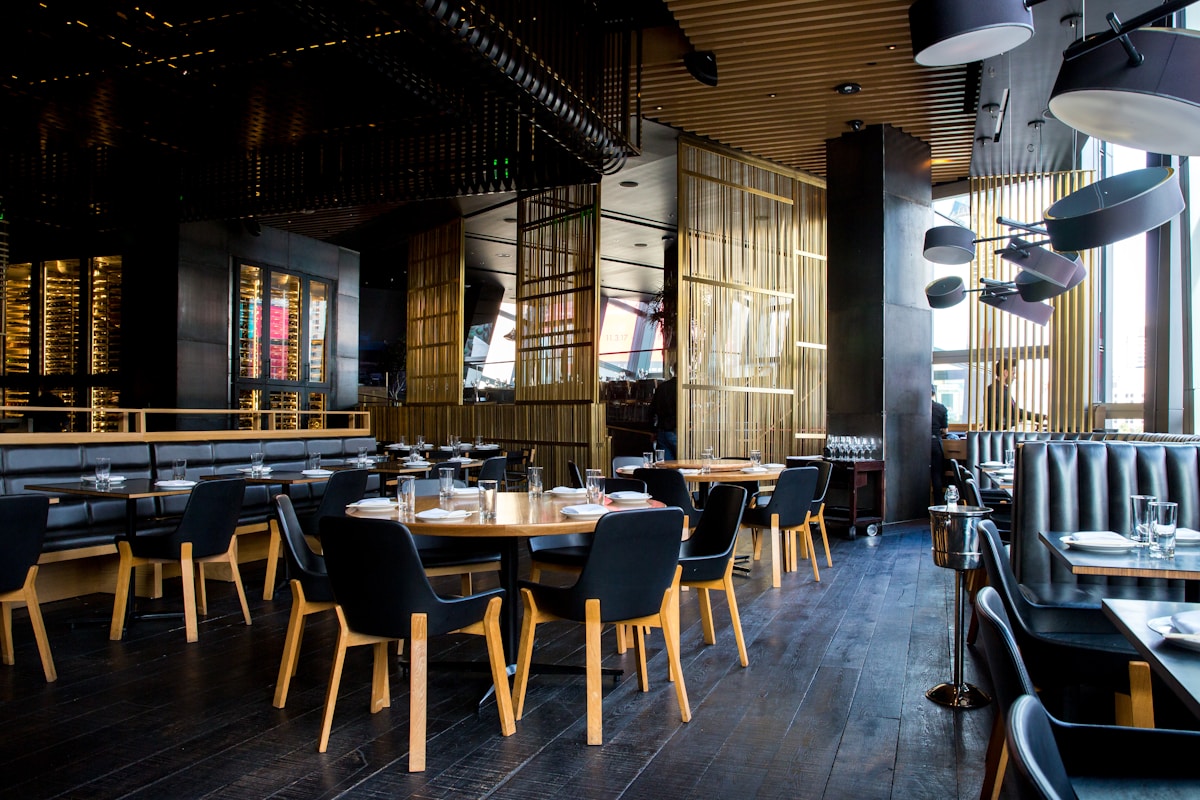
Restaurant owners who invested in their immediate communities found themselves rewarded with loyal customer bases that weathered economic uncertainties. The formula proved simple yet effective: know your neighbors, source locally when possible, and create a space where regulars feel like family. This approach stood in stark contrast to the venture-capital-fueled expansion strategies that dominated the previous decade.
Celebrity Chefs Pivot to Casual Concepts
The fine dining world experienced a notable transformation as several high-profile chefs abandoned their white-tablecloth establishments in favor of more accessible concepts. This wasn’t admission of defeat but rather a recognition that dining habits have fundamentally changed. Today’s diners want quality without pretense, excellence without the three-hour commitment.
Marcus Chen, whose Michelin-starred establishment dominated food media for years, made headlines when he converted his flagship restaurant into a casual dumpling house. “I realized I was cooking for critics and Instagram, not for people who just wanted a great meal,” Chen explained in an interview. The pivot proved prophetic—his new concept now serves five times as many covers at a fraction of the price point.
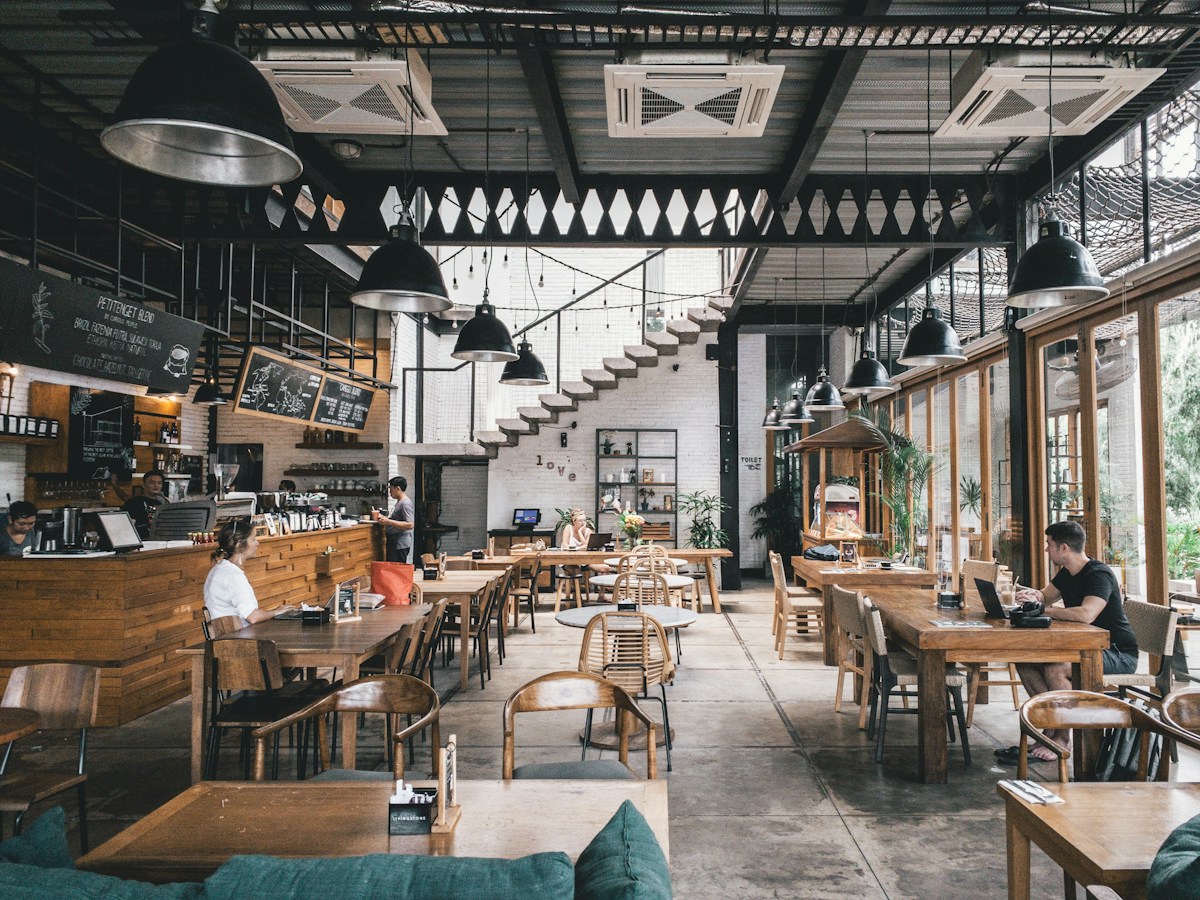
The International Invasion
New York has always been a city of immigrants, and 2025 saw an unprecedented wave of international restaurant concepts finally establishing American flagships. From Tokyo’s legendary ramen shops to London’s beloved curry houses, global brands recognized that New York remains the ultimate proving ground for culinary concepts.
The most anticipated arrival was undoubtedly Dishoom, the British-Indian restaurant group that had New Yorkers salivating for years. Their Bombay-style café in the West Village drew three-hour waits from day one, with diners eager to experience their legendary bacon naan rolls and house chai. The success validated what many had long suspected: New Yorkers are hungry for authentic international experiences, not watered-down approximations.
The Delivery Reckoning
If there’s one story that dominated industry conversations this year, it’s the ongoing battle between restaurants and delivery platforms. What began as a pandemic necessity evolved into an existential crisis for many establishments. The economics simply don’t work: platforms taking 30% commissions on orders that already operate on razor-thin margins left restaurateurs searching for alternatives.
Several high-profile restaurants made the dramatic decision to abandon third-party delivery entirely. Instead, they invested in direct ordering systems, hired their own delivery staff, and watched their profit margins recover almost immediately. “We lost some convenience-focused customers,” admitted one Brooklyn pizzeria owner, “but the customers we kept are more valuable and more loyal than ever.”
Sustainability Takes Center Stage
Environmental consciousness moved from marketing buzzword to operational imperative this year. Restaurants that genuinely committed to sustainable practices—not just those paying lip service—found themselves rewarded by increasingly eco-conscious diners. The shift manifested in everything from sourcing decisions to waste management to energy consumption.
Zero-waste kitchens, once considered impractical idealism, became achievable realities for dozens of new establishments. Chefs discovered that constraints bred creativity: vegetable scraps became fermented condiments, meat trim transformed into staff meals, and even coffee grounds found new life as composting material for urban farms that supplied the very restaurants producing the waste.
The movement extended beyond individual restaurants to entire neighborhoods. The Lower East Side’s “Green Block” initiative connected twelve restaurants in a shared composting and recycling program, reducing collective waste by 60% while cutting disposal costs nearly in half. It’s a model that other neighborhoods are now racing to replicate.
The Return of the Power Lunch
After years of remote work decimating midday business in Manhattan’s commercial districts, 2025 marked the triumphant return of the power lunch. As companies increasingly mandated in-office days, restaurants that had pivoted to dinner-only service found themselves scrambling to restaff lunch shifts.

But this wasn’t simply a return to pre-pandemic norms. The new power lunch operates differently: faster service, more health-conscious options, and flexible seating arrangements that accommodate both quick solo meals and extended client entertaining. Smart restaurateurs recognized that workers’ expectations had evolved, and they adapted accordingly.
Food Halls Find Their Identity
The food hall boom that defined the late 2010s finally matured this year, with successful concepts doubling down on curation while poorly conceived projects quietly closed their doors. The winners understood that a food hall isn’t just a collection of restaurants sharing space—it’s a carefully orchestrated experience that offers variety without redundancy.
The most successful new food hall of 2025, located in a converted Williamsburg warehouse, took an unprecedented approach: every vendor was required to source at least 50% of ingredients from within 100 miles of New York City. The restriction, initially met with skepticism, resulted in a remarkably cohesive and distinctly local dining experience that stood apart from the homogenized offerings of competing venues.
Wine Programs Get Weird (In a Good Way)
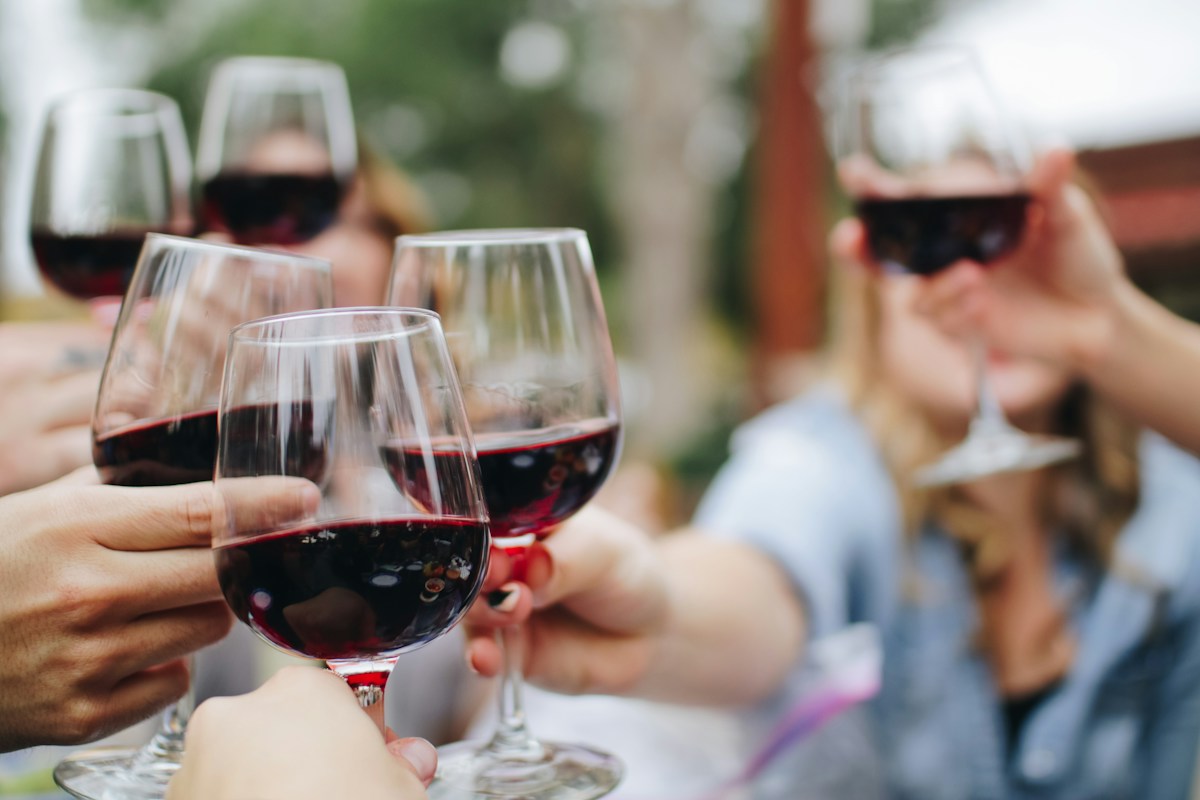
Natural wine’s dominance continued to reshape how New Yorkers drink, but the real story this year was the mainstreaming of truly obscure varietals and regions. Sommeliers reported unprecedented openness from diners willing to venture beyond familiar territory. Georgian qvevri wines, Greek volcanic whites, and Croatian indigenous varieties found enthusiastic audiences at restaurants across the city.
This adventurous spirit extended to beverage programs more broadly. Several restaurants eliminated wine lists entirely in favor of sommelier-curated pairings, trusting their staff to match bottles to dishes and diners’ preferences in real-time. The approach required exceptional training and communication skills but resulted in more memorable and educational dining experiences.
Looking Ahead to 2026
As we close the book on 2025, several trends seem poised to accelerate in the coming year. The neighborhood dining movement shows no signs of slowing, with several prominent chefs announcing plans to open modest-sized restaurants in outer-borough locations. Sustainability requirements will likely become more stringent as the city implements new commercial composting mandates.
Technology’s role in restaurants continues to evolve, with AI-powered reservation systems and dynamic pricing models gaining traction at forward-thinking establishments. Whether these innovations enhance or detract from the dining experience remains to be seen, but their proliferation seems inevitable.
What remains constant is New York’s insatiable appetite for the new, the authentic, and the excellent. In a city where restaurants open and close with dizzying frequency, the establishments that thrive are those that understand a fundamental truth: great hospitality never goes out of style. Here’s to another year of extraordinary eating in the greatest food city in the world.
This article was compiled from interviews with over fifty restaurant industry professionals, chefs, and food writers. Special thanks to the New York Restaurant Association for their data and insights.
The Stories Behind the Numbers
Behind every restaurant opening and closing are human stories of ambition, perseverance, and sometimes heartbreak. This year, we spoke with dozens of first-time restaurateurs who took the plunge despite economic uncertainty, veterans who reinvented themselves after decades in the industry, and families who passed torch to the next generation.
Maria Santos opened her Filipino-Mexican fusion restaurant in Queens with savings she’d accumulated over fifteen years of working in other people’s kitchens. “Everyone told me the concept was too niche,” she recalled. “But I knew there were people like me—children of immigrants who grew up eating multiple cuisines at home—who would understand exactly what I was trying to do.” Her restaurant became one of the year’s most celebrated openings, earning recognition from critics and building a devoted following that lines up nightly.
Meanwhile, the Konstantinos family made the difficult decision to close their beloved Greek diner after fifty-three years in the East Village. Rising rents and the patriarchal owner’s retirement made continuation impossible. But the outpouring of support from the community—including a standing-room-only final service that saw former regulars flying in from across the country—demonstrated just how deeply neighborhood restaurants embed themselves in the fabric of people’s lives.
These stories remind us that restaurants are more than businesses dispensing food and drink. They are gathering places, memory makers, and cultural institutions that shape how we experience our neighborhoods and our lives. As New York’s dining scene continues to evolve at breakneck speed, the establishments that endure are those that understand this fundamental truth and honor the responsibility it entails.
Sample content.